
Farmers Markets in Fayetteville, North Carolina
Nestled in the Sandhills region of North Carolina, Fayetteville benefits from a climate that supports a long growing season, spanning from early spring into late fall. The surrounding countryside is rich with farms producing everything from sweet Vidalia onions and seasonal vegetables to succulent peaches and berries. With its blend of Southern farming roots and an expanding urban food scene, Fayetteville’s farmers markets reflect both traditional farmstand fare and innovative local flavors. Whether it’s fresh greens in the spring or hearty root vegetables in the cooler months, these markets are a gateway to the vibrant agricultural bounty that shapes the region’s cuisine and community.
Find 2 farmers markets in Fayetteville, North Carolina, including addresses, hours, and what's available at each.
-

Fayetteville Farmers Market in Fayetteville, NC
325 Franklin Street -
Murchison Road Community Farmers Market in Fayetteville, NC
Farmers Markets Near Here
Farmers Markets in Fayetteville
Fayetteville sits at a culinary crossroads where southern agricultural traditions meet an evolving urban lifestyle. The farmers markets here are more than just shopping spots—they’re reflections of a community that values fresh, locally grown ingredients amid the hustle of city life. Given the city’s position in Cumberland County and its proximity to diverse farms, markets often feature a fascinating mix of produce reflecting North Carolina’s moderate climate—hot summers and mild winters—that extends the growing season longer than in many other regions.
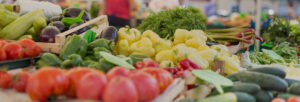
Walking through a Fayetteville market in early spring, you might find bright radishes and tender greens alongside handcrafted preserves. Come late summer, stalls brim with rich tomatoes, plump okra, and abundant squash harvested from nearby fields. The rhythm of local agriculture is mirrored in what vendors bring, making each market visit a mini-seasonal education as much as a chance to gather ingredients.
Best Farmers Markets in Fayetteville
Several markets serve Fayetteville residents, each with its own character shaped by neighborhood preferences and vendor mixes. The historic downtown area hosts lively weekend markets where city residents mingle easily with farmers who have just driven in from surrounding plot-rich counties. These markets often showcase more than just vegetables; expect homemade breads, fresh honey, and seasonal flowers.
In suburban areas, market days provide a convenient way for families to engage with the agricultural community without straying far from home. Vendors here often focus on specialty items—such as locally cured meats or unique heirloom varieties of heirloom tomatoes—that cater to increasingly adventurous local palates. The markets may feel smaller but carry products that represent the heart of Fayetteville’s food passion.
Why Shop at Farmers Markets in Fayetteville
Choosing to shop at these markets is about more than freshness; it’s about sustaining a local food ecosystem that thrives in Fayetteville’s climate. Unlike larger chain stores, markets here prioritize foods that are harvested at peak ripeness, which enhances flavor and nutritional value. Consumers actively avoid the long storage and transport times associated with supermarket produce.
Another compelling reason is the seasonal diversity available in the local markets. Fayetteville’s relatively long growing season allows farmers to stretch out offerings from early leafy greens to late-season sweet potatoes and winter squash. This variety encourages cooks to experiment with new recipes and ingredients aligned with harvest cycles.
Markets also facilitate direct conversations with growers who understand the specifics of the soil, the challenges of weather fluctuations, and the best times to enjoy each crop. This personal connection can transform the way people shop, shifting from routine grocery runs toward more thoughtful and engaged food choices.
Local Vendors and Artisan Foods in Fayetteville
Vendors at Fayetteville markets bring more than just crops—they offer tastes and techniques deeply rooted in the region’s Southern food heritage. Artisans produce everything from hand-pulled jams with regional fruits like muscadines, to small-batch cheeses that reflect the rising interest in dairy farming in eastern North Carolina.
Bakers showcase recipes informed by traditional Southern baking yet often with a modern twist, incorporating seasonal fruits or local nuts. Many vendors emphasize organic and sustainable growing methods, aligning with a growing sense of environmental stewardship within the community. This connection between product and producer enriches Fayetteville’s food culture, offering residents distinctive alternatives to industrial fare.
Traditional remedies and culinary customs also appear in the mix, such as homemade pickled okra and preserved greens, echoing old family recipes handed down through generations.
Supporting Local Farmers in Fayetteville
Choosing farmers markets in Fayetteville means directly supporting the people who cultivate the land just beyond the city limits. Many local farmers manage small-scale operations that rely heavily on community support to remain viable in a competitive agricultural market. Sales from direct market venues often represent a critical income stream, helping these farms thrive and preserve farmland that might otherwise be lost to development.
Beyond economics, local patronage strengthens the agricultural identity of the region. As farms continue to supply fresh food within a manageable radius, Fayetteville benefits from a food system that reduces reliance on distant suppliers. This keeps fresh food fresher and environmental impacts lower.
For residents, supporting farmers also means investing in locally adapted crops and growing techniques that sustain soil health and biodiversity. Each market visit plays a part in nurturing a food culture that’s inherently tied to place, seasons, and the dedicated farmers who care for the land around North Carolina’s Sandhills and Coastal Plain.