
Farmers Markets in Durham, North Carolina
Durham’s farmers markets reflect the rich agricultural heritage of the Piedmont region, where rolling hills and fertile soils support a diverse range of crops. The city benefits from a long growing season, starting as early as March and extending into late fall, allowing for a vibrant rotation of seasonal produce like sweet corn, peaches, and tomatoes. Just a short drive from rural farms, vendors often bring fresh, locally grown fruits, vegetables, and heritage meats that celebrate North Carolina’s farming traditions. Durham’s vibrant urban food scene embraces these markets as a hub for community connection and farm-to-table dining, making spring through fall the perfect time to experience the freshest tastes of the region.
Find 5 farmers markets in Durham, North Carolina, including addresses, hours, and what's available at each.
-

Duke Farmers Market in Durham, NC
04/25/2014 to 09/26/2014 / Fri: 11:00 AM-2:00 PM;
Research Drive at Searle Center -
Duke Farmers Market At Duke Regional Hospital in Durham, NC
05/06/2014 to 09/30/2014 / Tue: 3:00 PM-6:00 PM;
3643 N. Roxboro Rd. -
Duke Mobile Farmers Market in Durham, NC
04/08/2014 to 09/30/2014 / Tue: 4:00 PM-6:00 PM;
The Sarah P. Duke Gardens on Anderson Drive -
Durham Farmers Market in Durham, NC
12/06/2014 to 03/28/2015 / Sat: 10:00 AM-12:00 PM;
501 Foster Street -
South Durham Farmers Market in Durham, NC
11/01/2014 to 03/28/2015 / Sat: 9:00 AM-12:00 PM;
5410 NC Highway 55
Farmers Markets Near Here
Farmers Markets in Durham
Durham’s farmers markets serve as vital hubs connecting urban dwellers with the rich farmlands that spread out across central North Carolina. This city, marked by its distinctive blend of historic neighborhoods and a thriving culinary scene, reflects a growing appreciation for where food comes from and how it’s grown. The markets here aren’t just places to pick up ingredients; they are vibrant spaces where the city’s agricultural roots and contemporary food culture intersect. Local growers from the nearby Piedmont Triad and the rolling fields across Orange and Person counties bring their harvests to Durham, fostering a direct relationship between those who cultivate the land and those who cook at home or in innovative local kitchens.
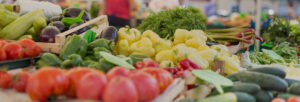
Walking through one of Durham's markets, shoppers encounter a rich palette of colors and scents year-round, but especially during the bustling spring and summer months. The abundance of heirloom tomatoes, flavorful greens, and native fruits stands out as a testament to the region’s fertile soils and moderate climate. Beyond produce, artisans bring house-made cheeses, fresh-baked breads, and small-batch preserves that have earned acclaim throughout the Triangle area. This balance between rural tradition and urban creativity shapes the character of Durham’s markets. Choosing to shop here instead of a grocery store means prioritizing freshness, supporting family farms, and engaging more closely with the rhythms of the seasons.
Best Farmers Markets in Durham
Durham’s most frequented farmers markets showcase the area’s agricultural diversity and its progressive food movements. The Central Park Farmers Market is one of the oldest and most dependable weekly markets, drawing a steady stream of locals keen to buy from producers they recognize. Its location is conveniently close to downtown, inviting shoppers to combine a market visit with a stroll through Durham’s evolving urban core. Vendors here prioritize organic and sustainable practices, and many have been selling at this market for years, creating a strong sense of trust and familiarity.
South Durham Farmers Market, held on weekends, caters to families and food enthusiasts alike, with plenty of locally grown vegetables, fresh herbs, and seasonal fruits. Complementing the produce are stands dedicated to farm-fresh eggs, grass-fed meats, and prepared foods reflecting both Southern culinary traditions and the city’s increasingly diverse palate. Many of these markets also feature live music and cooking demonstrations that deepen the connection between growers and consumers, fostering a communal atmosphere without the typical anonymity of grocery shopping.
Another notable market, the Durham Farmers Market on Fayetteville Street, taps into the downtown energy, offering quick access for busy professionals who want convenient yet high-quality food options. It emphasizes a local-first philosophy and periodically integrates educational activities emphasizing sustainable living and the importance of seasonal eating. Collectively, these markets make it easy for residents across Durham’s neighborhoods—from historic Trinity Park to the rapidly expanding Southside—to access food that feels both nourishing and rooted in local soils.
When to Visit Farmers Markets in Durham
Timing visits to farmers markets in Durham can greatly enhance the shopping experience. While many markets operate year-round with varying vendor lists, the prime seasons for the richest selections fall in late spring through early fall. Spring markets bring early greens, tender radishes, and strawberries that are among the first fresh fruits available after winter’s scarcity. Summer is undoubtedly the high point—with corn, tomatoes, peppers, and peaches overflowing at nearly every stall. For anyone seeking the fullness of the farmers market experience, visiting between June and September offers the widest range of freshly harvested options.
Fall markets continue to impress with an array of hardy root vegetables, winter squashes, and apples from nearby orchards. This is when Durham’s local food culture shifts to heartier fare, often turning to preserving and storing foods for the colder months. In winter, markets scale back but still present essentials such as citrus from southern growers, hardy greens like kale and collards, and an assortment of preserved products. The milder North Carolina winters ensure that some farming activity keeps markets lively, although the variety naturally narrows.
Weekends tend to be when most farmers markets are busiest, especially mid-morning to early afternoon, which is prime shopping time. Some markets also position themselves as more community-oriented events with breakfast fare or local coffee vendors, making earlier mornings appealing. Shoppers interested in fresher picks or smaller crowds might find weekday markets or opening hours advantageous. Whatever the season, early visits increase the chance of snatching the best picks, especially from smaller farms that bring limited quantities.
Seasonal Produce at Farmers Markets in Durham
Durham’s temperate climate and well-irrigated farmland support a wide range of crops, which is reflected in the markets’ seasonal rhythms. Starting in spring, expect to find tender spring onions, juicy rhubarb, and the first of the leafy greens that signal the end of winter’s pause. This is also strawberry season, long anticipated by many in the area because of its short but sweet window. These early returns from the soil hint at the bounty to come.
As summer approaches, the scene shifts dramatically. Tomatoes of all colors and varieties dominate stands, from the classic bright red heirlooms to smoky purple and striking green stripes. Corn, freshly shucked and sweet, becomes a staple item alongside cucumbers, zucchini, and a dazzling array of peppers ranging from mild to fiery. Summer stone fruits like peaches, plums, and nectarines also start appearing, providing the perfect fresh complement to local honey and artisan cheeses for a picnic or dinner on the porch.
The arrival of fall introduces cooler-weather favorites such as sweet potatoes, turnips, and an impressive variety of winter squashes, including buttercup, acorn, and carnival. Apples from nearby orchards arrive in abundance, often accompanied by cider and baked goods incorporating these fruits. Greens like mustard and collard, which thrive even as temperatures drop, appear alongside late-season tomatoes clinging to the warmth of North Carolina’s prolonged growing season.
Winter markets tend to focus more on storage crops—potatoes, carrots, and onions—and items from greenhouses or hoop houses that extend production past the first frost. Provincially made preserves, pickles, and fermented foods also become market staples during this period. Meanwhile, local goat cheeses, cured meats, and other artisanal products continue to offer shoppers rich flavors and options far beyond supermarket aisles.
In every season, Durham’s markets reveal the nuanced progression of agriculture in the Piedmont region. The deliberate purchase of these locally grown foods helps maintain the viability of nearby farms that have shaped the landscape for generations and keeps fresh, flavorful options on the city’s tables.