
Farmers Markets in Richmond, Virginia
Richmond’s farmers markets are deeply connected to Virginia’s diverse agricultural landscape, benefiting from the region’s long growing season and fertile soil. Nestled near the Piedmont and Blue Ridge Mountains, local growers bring a variety of produce ranging from crisp apples and sweet corn in late summer to hearty root vegetables and winter squash as the seasons change. The city’s humid subtropical climate supports crops like heirloom tomatoes and fresh greens well into fall. Richmond’s vibrant urban food scene embraces these markets as hubs for community and sustainable eating, blending Southern food traditions with modern culinary trends. This makes the city’s farmers markets lively spots to find seasonal, locally grown ingredients year-round.
Find 1 farmers market in Richmond, Virginia, including its address, hours, and what's available.
Farmers Markets Near Here
Farmers Markets in Richmond
The farmers markets scattered around Richmond offer more than just a chance to pick up fresh food—they serve as a crucial link to the rich agricultural heritage of Virginia’s Piedmont region. With its humid subtropical climate, Richmond benefits from a growing season that stretches from early spring into late fall, allowing an impressive range of produce to thrive on nearby farms. This proximity to farmland means local markets often overflow with products harvested just hours before, supporting small-scale farmers who cultivate a mix of traditional Southern crops and more eclectic varieties. Richmond’s markets pulse with the character of the city’s neighborhoods, reflecting their distinct tastes—from the historic charm near Church Hill to the artsy vibe in Scott’s Addition.
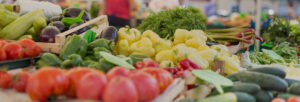
A stroll through these markets presents an opportunity to engage directly with those who grow the food, a welcome counterpoint to the depersonalized supermarket experience. Shoppers often find themselves surrounded by wooden crates brimming with heirloom tomatoes, pestos laced with fresh herbs, or racks of fresh-baked breads from local artisans. Because many vendors focus on sustainable and organic methods, customers often discover unique products such as hand-crafted cheeses, pickled vegetables, and seasonal preserves produced with a nod toward tradition. Richmond’s markets are also marked by an emphasis on southern hospitality; interactions tend to be warm and informative, fostering a deeper appreciation for the food on your plate.
Best Farmers Markets in Richmond
Among Richmond’s numerous farmers markets, some stand out for their size, variety, and atmosphere. The South of the James Market, operating most commonly on Saturdays in the southern city neighborhoods, combines a wide selection of food vendors with live music and family-friendly activities. Nearby, the Carytown Market often attracts an eclectic crowd eager to sample not just fresh fruit and vegetables but also Virginia-crafted wines and artisanal chocolates. The market in Manchester is renowned for its strong community feel and dedication to showcasing small-batch and organic producers.
Although smaller, community-driven markets such as the Libbie Market reflect the commitment of Richmonders to cultivating local food culture at a hyper-local level, where you might meet the same farmer repeatedly across the season. Seasonal weekend markets in Shockoe Bottom also highlight Richmond’s evolving food scene, offering urban bites alongside classic farm products and creating a vibrant mingling of city dwellers and rural growers.
What Is in Season at Farmers Markets in Richmond
Virginia’s climate and soil support a diverse array of crops, making Richmond’s market selections richly seasonal. Early spring arrivals include tender greens like spinach, arugula, and various lettuces, along with fresh herbs that are perfect for brightening early-season recipes. As summer unfolds, the markets brim with an abundance of crops: peaches, tomatoes, zucchini, squash blossoms, and peppers paint stalls in vivid color. Local corn is particularly prized, enjoyed freshly shucked and sweet with deep summer flavor.
By early fall, shoppers find a bounty of apples, pumpkins, and hearty root vegetables that showcase the transition to cooler months. Sweet potatoes, heirloom beans, and winter squashes emerge as storied staples of Southern cooking. Fall is also the season for freshly pressed apple cider and preserves made from late-season berries and figs.
Throughout the winter months, limited but hearty selections remain—think storage crops like carrots, potatoes, and leafy greens grown in hoop houses or cold frames. Artisanal vendors often fill the gaps, offering goods like pickled okra or fermented kimchi that reflect both tradition and contemporary culinary trends.
Farmers Market Shopping Tips for Richmond
Venturing into Richmond’s farmers markets rewards those who come prepared with a light touch and an open palate. Early arrival is key, especially on weekends, since sought-after goods can disappear quickly. Carrying reusable bags and small coolers helps protect delicate items from heat, a nod to the humid Virginia summers. Engaging with vendors—ask about their growing practices or the best ways to prepare a particular item—can lead to valuable insights and unadvertised gems.
Richmond shoppers are often advised to embrace a flexible mindset. Seasonal produce fluctuates depending on weather conditions, so what’s available one week might shift dramatically the next. This is part of the charm and challenge of market shopping here: the changing inventory invites culinary creativity.
Don’t overlook the array of prepared foods and artisan products that line many market stalls. Sampling fresh-baked focaccia, hand-crafted charcuterie, or small-batch honey can enrich your visit beyond just produce shopping. Remember that many local farmers depend heavily on market sales to sustain their operations, so willingness to purchase imperfect-looking but tasty fruits and vegetables supports sustainable agriculture right outside the city limits.
Lastly, exploring different market locations can reveal the subtle distinctions in vendor offerings and community energy. Richmond’s food landscape is dynamic, and a single Saturday may yield vastly different finds depending on whether you visit the West End or the historic East End. This approach maximizes the benefit of buying local and immerses you in the vibrant, ever-changing rhythms of Richmond’s food culture.