
Farmers Markets in Rochester, New York
Nestled near the southern shore of Lake Ontario, Rochester’s farmers markets reflect the bounty of Western New York’s fertile Finger Lakes region, known for its vineyards, orchards, and dairy farms. The city’s cold winters mean that fresh, local produce is most abundant from late spring through early fall, with root vegetables, apples, and squash making up much of the late-season harvest. Rochester’s markets are hubs for seasonal specialties like sweet corn and heirloom tomatoes in summer, alongside a rich tradition of homemade jams and pickles. With a growing urban food scene, these markets also showcase a blend of farm-fresh essentials and artisanal goods, connecting city residents with the surrounding agricultural communities year-round.
Find 8 farmers markets in Rochester, New York, including addresses, hours, and what's available at each.
-

Brighton Farmers Market in Rochester, NY
11/02/2014 to 12/28/2014 / Sun: 1:00 PM-4:00 PM;
1150 Winton Road S. -
Chili Farmers Market in Rochester, NY
Chili Paul Plaza -
Foodlinks Washington Square Farmers Market in Rochester, NY
06/25/2014 to 09/03/2014 / Wed: 11:00 AM-2:00 PM;
Washington Square Park, 181 Clinton Ave. S -
Irondequoit Farmers Market in Rochester, NY
06/01/2012 to 10/31/2012 /
1280 Titus Avenue -
Monroe Village Farmers Market in Rochester, NY
06/01/2012 to 10/31/2012 /
730 Monroe Ave -
Rochester Public Market in Rochester, NY
01/01/2012 to 12/31/2012 /
280 North Union Street -
South Wedge Farmers Market in Rochester, NY
06/01/2012 to 10/31/2012 /
100 Alexander St. -
Westside Farmers Market in Rochester, NY
06/10/2014 to 10/14/2014 / Tue: 4:00 PM-7:30 PM;
831 Genesee Street
Farmers Markets Near Here
Farmers Markets in Rochester
Rochester’s deep roots in agriculture and its location near some of New York’s richest farmland create a unique backdrop for the city's farmers markets. Unlike urban centers situated far from their farms, Rochester benefits from farmland in the Finger Lakes region and Genesee Valley, making locally grown offerings incredibly fresh and accessible. The colder winters mean that the outdoor market season has a distinct rhythm, with vendors adapting their selections from early spring greens to late fall squash, and even diversifying into preserved goods or greenhouse-grown items during the chillier months. This rhythmic ebb and flow of the market lineup fosters a strong connection between city dwellers and the land that nourishes them.
Best Farmers Markets in Rochester
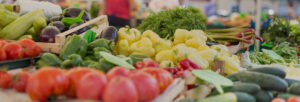
Among Rochester’s network of farmers markets, several stand out for their longstanding ties to local producers and vibrant, neighborhood-focused atmosphere. The market on the city’s east side is known for concentrating on produce directly from nearby farms, often including unique heirloom varieties that reflect upstate New York’s agricultural heritage. Meanwhile, markets in downtown Rochester cater to a blend of artisan food vendors alongside growers, showcasing local cheeses, freshly baked breads, and handcrafted preserves alongside fruits and vegetables. In the summertime, these markets buzz with activity and colors, featuring everything from green beans picked that morning to sun-ripened tomatoes bursting with flavor.
In the fall, many vendors offer a bounty of root vegetables and apples, reflecting the harvest traditions of the region. These markets are not just shopping spots but social hubs where neighbors meet, swap growing tips, and celebrate harvest festivals tied to Rochester’s seasonal calendar. Arriving at the market early is a good idea for those seeking the freshest picks of the day and seasonal specialties unique to the Finger Lakes farming landscape.
Shopping Locally in Rochester
Choosing to shop locally in Rochester means more than just buying food; it supports a local economy enriched by generations of farming expertise. Given the city’s proximity to small-scale farms cultivating crops adapted to the northeastern climate, consumers find an abundance of foods that reflect both traditional and innovative practices. Whether it’s hand-pulled maple syrup, niche varieties of beans, or fresh eggs from free-range chickens, the connection between what ends up on the stall and what is served at the table is tangible.
Rochester’s neighborhoods have distinct identities that influence market culture—some markets cater to young urbanites who prefer organic and experimental produce, while others are firmly rooted in family farming communities. This diversity allows shoppers to tailor their grocery routines not only around what’s fresh but also around different philosophies of food production and sustainability. Moreover, the outdoor markets often supplement their offerings with local honey, microgreens grown in urban greenhouses, and even flowers, highlighting the year-round commitment to local sources.
Why Seasonal Shopping Matters in Rochester
The impact of Rochester’s four distinct seasons shapes food availability in profound ways. Seasonal shopping here aligns naturally with the agricultural calendar, meaning the freshest tomatoes appear in late summer rather than year-round on supermarket shelves. This cyclical availability encourages experimenting with cooking, preserving, and eating what’s truly at peak flavor right outside the city.
Embracing seasonal produce reduces the carbon footprint associated with long-distance shipping and supports farming practices adapted to Rochester’s climate with its cold winters and warm, temperate summers. Consumers frequently notice the difference—a summer zucchini will taste far more vibrant when picked in the region than when shipped from warmer states. Seasonal eating also invites more variety, with spring ramps, asparagus, and early berries giving way to summer stone fruits and cold-hardy late-fall squash and Brussels sprouts.
For residents, following the calendar at farmers markets enhances a shared cultural connection to the land and seasons that define Rochester’s identity. It also reinforces a community rhythm—gatherings around fresh, imperfectly shaped vegetables feel like seasonal milestones marking time.
Understanding Local Food in Rochester
Local food in Rochester carries the imprint of the surrounding geography and its farming legacy. The rich soils around Lake Ontario and in nearby valleys harbor a tradition of crops ranging from sweet corn to hardy greens suited to frost. This is a place where traditional Northeastern fare—fresh dairy, apples, root vegetables—coexists with emerging trends like urban growing initiatives and farm-to-table innovation.
The city’s farmers markets reflect this mixture. You might find a generations-old apple orchard’s cider one moment and a new micro-farm’s salad mix the next, both speaking to how local food is evolving but remains deeply connected to place. Understanding Rochester food means appreciating these layers: the seasonal flow, the diversity of microclimates, and the artisans who bring their expertise to preserving and preparing ingredients in ways that celebrate their roots.
This local focus extends beyond just produce at the markets—cheese makers, bakers, and butchers who live nearby often supply ingredients that support complementary trades, fostering a small-scale, integrated food system that feels particularly robust here. Ultimately, “local” in Rochester is both a geographic and cultural identity that invites exploration beyond the grocery aisle, through the rhythms of the farm and the city intertwined.