
Farmers Markets in Reno, Nevada
Nestled on the eastern edge of the Sierra Nevada, Reno benefits from a high-desert climate that shapes the local growing season and food offerings. With hot, dry summers and chilly winters, the area’s agriculture thrives with crops like alfalfa, onions, and melons in nearby valleys, while the short but intense growing season brings a vibrant variety of seasonal produce to town each summer and early fall. Reno’s food scene reflects its unique blend of outdoorsy Western spirit and growing urban sophistication, where farmers markets provide a bridge between the region’s agricultural roots and the city’s appetite for fresh, locally sourced ingredients. Whether it’s early spring greens or late-season squash, these markets capture the essence of the high desert’s bounty throughout the warmer months.
Find 5 farmers markets in Reno, Nevada, including addresses, hours, and what's available at each.
-

Garden Shop Nursery Farmers Market in Reno, NV
10/01/2012 to 03/31/2012 /
3636 Mayberry Drive -
Reno Booth St. Farmers Market in Reno, NV
Booth St. at California Ave. -
Reno Somersett Farmers Market in Reno, NV
7650 Town Square Way -
Reno West St. Farmers Market in Reno, NV
Downtown Reno -
The Grove South Reno Farmers Market in Reno, NV
05/01/2012 to 09/31/2012 /
95 Foothill Road
Farmers Markets Near Here
Farmers Markets in Reno
Reno’s farmers markets are a reflection of the city’s unique high desert setting combined with its proximity to lush valleys and creative urban scenes. Unlike many agricultural hubs in the West known for sprawling verdant fields, Reno’s local markets bring a diverse selection of foods that balance the ruggedness of Nevada’s climate with the ingenuity of dedicated growers and artisans. The short, vibrant growing season bursts into display in late spring and carries through early fall, featuring produce that thrives in the arid heat and cool mountain nights. For residents seeking an alternative to the conventional grocery store, these markets deliver a hands-on experience where the connection between soil, farming, and cuisine feels direct and personal.
With a layout of friendly stalls and community tables, Reno’s markets extend beyond just fresh fruits and vegetables. They serve as gathering places embedded within both historic and developing neighborhoods, reflecting a blend of traditional Western agricultural roots and contemporary food culture. Whether you're interested in heirloom tomatoes ripened under the Nevada sun or artisan-crafted preserves and cheeses, the emphasis on locally grown food and hand-crafted products sets this scene apart from chain produce aisles.
Best Farmers Markets in Reno
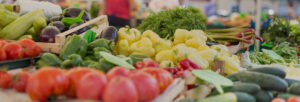
Among Reno’s bustling markets, a few stand out for their scale, variety, and seasonal vibrancy. The markets in the Midtown and Riverwalk districts are especially popular for their easy access and eclectic vendor mix. These venues typically showcase a rotating cast of growers from outlying areas where irrigation and elevation create optimal conditions for high-quality fruits and vegetables. You will find slender, sun-warmed cucumbers in midsummer, alongside purple-hued plums and baskets of freshly picked radishes.
Aside from the staple crops of the Great Basin region, these markets highlight heirloom varieties and organic produce grown using sustainable practices, responding to a local demand for transparency and health-conscious options. Beyond fruits and vegetables, many market spots are home to regional ranchers selling grass-fed beef and free-range poultry, contributing protein options that complement the fresh crops.
Community support for these markets integrates well with Reno’s steady growth pattern—markets adapt with the seasons and neighborhood shifts, often incorporating booths that celebrate local culinary crafts, seasonal jams, and vibrant flowers grown nearby. This ever-evolving dynamic keeps each visit interesting, inviting even those well acquainted with the offerings to return frequently.
Baked Goods and Specialty Foods in Reno
Baking in Reno’s markets carries a character shaped by both the climate and cultural crosscurrents of the area. Breads often evoke rustic qualities: crusty sourdoughs with tangy notes, nut-studded loaves, or buttery pastries enriched with regional touches like juniper or sage. Sweets and confections typically spotlight seasonal fruits, such as plump apricot tarts or rye flour cookies, blending old-school techniques with locally inspired recipes.
Specialty food vendors thrive here, bringing artisanal preserves, honey harvested from Great Basin bees, and small-batch condiments flavored with native herbs. Cheesemakers, many of whom source milk from nearby dairies, offer robust alpine styles and fresh chevres that pair effortlessly with market-baked breads. Additionally, there’s a noticeable presence of ethnic foods reflecting Reno’s diverse population, including tamales with locally sourced fillings, handcrafted noodles, and spiced sausages prepared in traditional ways.
These markets often encourage culinary experimentation by sharing tasting opportunities and cooking tips that draw on Nevada’s distinctive seasonal ingredients. For many visitors, sampling the baked goods and specialty items adds an inviting dimension to the market routine or meal planning.
What to Expect at Farmers Markets in Reno
Shoppers can anticipate a lively atmosphere with a rhythm attuned to the seasons, where negotiating the best of local harvests leads to a more immersive, tactile approach to food shopping than what typical supermarkets offer. Given Reno's distinctive high desert climate, expect some variation in produce throughout the year, with spring bursts of leafy greens and rhubarb quickly giving way to summer's vibrant tomatoes, peppers, and stone fruits.
Market days tend to start fresh in the morning to beat the afternoon sun, an acknowledgment of the area’s dry heat and the vendors’ intent to keep produce crisp and flavorful. Beyond seasonal produce, a smaller but robust selection of plants, flowers, and homemade goods often fills out the scene, supporting not just farmers but artisans and makers who emphasize local materials and flavors.
Beyond transactions, these gatherings double as social hubs, where neighbors exchange gardening tips, recipe ideas, and news. This social fabric enriches the shopping experience, making the markets more than just places to pick up food—they become sites where community threads are woven tighter.
In Reno, farmers markets offer a blend of practical shopping and a celebration of the land’s unique offerings, making them an indispensable part of the city’s food landscape and an appealing destination for anyone who values genuine, locally grown food and the stories behind it.