
Farmers Markets in Minneapolis, Minnesota
Minneapolis benefits from its location in the fertile Upper Midwest, surrounded by expansive farms growing a variety of crops such as sweet corn, tomatoes, and hardy root vegetables that thrive in Minnesota’s short but intense growing season. The city’s farmers markets come alive in late spring and flourish through early fall, showcasing the best of regional produce, from crisp apples and berries to fresh greens and locally raised meats. Despite the long winters, Minneapolis’s vibrant urban food scene embraces these markets as a way to connect with the agricultural heritage of the surrounding area, including nearby small dairy farms and grain growers. Celebrating seasonal eating here isn’t just practical—it’s part of the city’s identity, blending Midwestern traditions with a modern, sustainable approach to food.
Find 3 farmers markets in Minneapolis, Minnesota, including addresses, hours, and what's available at each.
-

Audubon Farmers Market in Minneapolis, MN
The Audubon Farmers Market in Minneapolis is scheduled to operate on Thursdays from June 25 to September 24, 2026, between 4:00 PM and 7:00 PM. This information is sourced from the official Audubon Neighborhood Association website. ([audubonneighbor.org](https://audubonneighbor.org/upcoming-audubon-events?utm_source=openai))
Johnson Street NE and 27th Ave NE -
Augsburg Farmers Market in Minneapolis, MN
No 2026 schedule information found; previous schedules indicate operation on Tuesdays from 2pm to 5pm at 701 22nd Ave S, Minneapolis, MN 55454.
7th St S and 22 Ave S -
17th Ave Market
Season: June to September · Days: Wednesday · Hours: 3:00 PM-7:00 PM
1622 6th St NE
Farmers Markets Near Here
Farmers Markets in Minneapolis
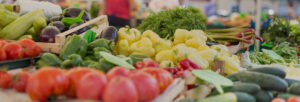
Minneapolis pulses with a unique energy during the warmer months as its farmers markets come to life, reflecting the city’s blend of urban flair and Midwestern agricultural roots. Unlike many sprawling metropolises, Minneapolis benefits from its proximity to fertile farmland that hugs the city’s outskirts, shaping a food culture deeply intertwined with the land. Shoppers here often draw a sharp contrast between the pre-packaged selections of supermarket aisles and the vivid, hand-picked offerings from local growers. These markets function less as mere shopping spots and more as gathering places where neighbors connect over food that has literally traveled fewer miles and is fresher than what typical grocery stores offer.
The city’s climate—marked by a short but intense growing season—dictates much of what appears and when, lending a brisk urgency to the market calendar. Early summer brings leafy greens and rhubarb; mid-summer, berries and tomatoes; and a rush of squashes, apples, and root vegetables as autumn cloaks the city in cooler temps. Alongside produce, there’s a strong presence of artisan-crafted goods, ranging from rye sourdough bread to wildflower honey, which speak to the long-standing agricultural skill and innovation of local purveyors. Minneapolis markets don’t just cater to those seeking fresh food—they celebrate a lifestyle that values knowing your farmer and seeing the cycle of growth and harvest play out through the seasons.
Best Farmers Markets in Minneapolis
Among the many wonderful markets scattered around the city, some have become perennial favorites for their atmosphere, vendor variety, and urban accessibility. The city’s core hosts weekday markets that cater well to workers, with stands packed with sparkling berries and crisp greens harvested just that morning. Weekend markets transform select neighborhoods into bustling hubs of color and conversation, where you’ll find everything from heirloom carrots to hand-churned butter.
Each market offers a chance to explore the subtle differences influenced by neighborhood culture and proximity to produce sources. Markets in areas closer to larger farms tend to have a more extensive array of vegetables and meats, while those closer to the city center might emphasize prepared foods and artisanal goods alongside produce. These specializations allow shoppers to tailor their visits according to their culinary adventurousness or time constraints.
The best approach to visiting Minneapolis farmers markets is a blend of timing and curiosity—arriving early gets you prime pickings, and sticking around later can yield excellent deals as vendors occasionally discount items to clear out their stands. Weather can be a factor, too; Minnesota’s notorious summer thunderstorms sometimes prompt vendors to wrap things up early, so following local market social channels can be a practical move.
From Local Farms to Minneapolis Tables
The fertile corners of Minnesota’s agricultural belt surrounding Minneapolis give local farmers a distinct advantage—they can deliver produce packed with flavor and freshness unmatchable by long-haul shipped goods. This proximity means that farmers markets here often serve as direct conduits between farm fields and urban dinner plates, fostering a food system built on trust and transparency.
In recent years, there has been a growing trend of urban and peri-urban farming projects within Minneapolis itself. These smaller-scale operations supply the more niche markets with microgreens, herbs, and heirloom vegetables that grow well despite the city’s challenging northern climate. Such efforts complement the larger family farms in nearby counties, enriching the variety available to market visitors.
As a result, the food arriving at a Minneapolis market is not just seasonal—it encapsulates the local terroir in the truest sense. Shoppers can sense this when biting into a perfectly ripe cherry tomato in August or a crunchy beet root in October. The short interval from harvest to market bending twice over minimizes nutrient degradation and maximizes taste, underscoring why so many Minnesotans prefer fresh-picked options for their home cooking.
Supporting Local Farmers in Minneapolis
Beyond the obvious benefits of satisfying taste buds and boosting one’s diet quality, shopping at Minneapolis markets holds a deeper community and economic significance. Purchasing directly from growers ensures that farmers retain more of the earnings compared to wholesale routes, supporting sustainability in local agriculture. It allows small-scale producers to thrive in a world increasingly dominated by large agribusinesses.
Many locals champion this stewardship by intentionally planning Saturday market visits into their weeks, turning shopping into an experience rather than a chore. Engaging with growers offers insight into the challenges and triumphs involved in bringing food from seed to table, fostering a greater appreciation for every carrot or bundle of kale.
Minneapolis farmers markets also play a critical role in preserving agricultural diversity. Vendors often cultivate rare varieties of fruits and vegetables not favored by mass markets, keeping culinary heritage alive and expanding patrons’ palates. Equally important, these markets act as platforms for farmers to test new crops in real-time responses from the community, tweaking offerings to taste preferences and climatic shifts.
In supporting local farmers at these markets, Minneapolis residents contribute directly to the health of their regional ecosystem—economically, environmentally, and socially. It’s a decision that echoes beyond the immediate joy of picking up fresh food, reinforcing a cycle of care that benefits both the cityscape and its surrounding farmland.