
Farmers Markets in San Diego, California
San Diego’s mild climate and long growing season make it an ideal place for a variety of fresh fruits and vegetables throughout much of the year. California’s diverse agriculture is reflected in the city’s farmers markets, where you can find everything from avocados and citrus to locally grown organic produce. These markets serve as a direct link between nearby farms and urban residents, supporting sustainable practices and highlighting the region’s rich agricultural heritage. For locals and visitors alike, San Diego’s farmers markets offer a taste of the unique flavors that thrive in Southern California’s coastal environment.
Find 23 farmers markets in San Diego, California, including addresses, hours, and what's available at each.
-

Rancho Bernardo Certified Farmers Market And Specialties in San Diego, CA
01/01/2014 to 12/31/2014 / Fri: 9:00 AM-1:00 PM;
13330 Paseo Del Verno Norte -
Utc Certified Farmers Market in San Diego, CA
01/01/2014 to 12/31/2014 / Thu: 4:00 PM-7:00 PM;
3950 Berino Ct -
The Headquarters Certified Farmers Market in San Diego, CA
01/01/2014 to 12/31/2014 / Sun: 10:00 AM-2:00 PM;
789 West Harbor Drive -
Scripps Ranch Farmers Market & Family Festival in San Diego, CA
01/01/2014 to 12/31/2014 / Sat: 9:00 AM-1:00 PM;
10380 Spring Canyon Rd. -
San Diego Tu Mercado Certified Farmers Market in San Diego, CA
5998 Alcala Park -
San Diego Mira Mesa Farmers Market in San Diego, CA
10510 Reagan Road -
San Diego Little Italy Mercato in San Diego, CA
01/05/2013 to 12/28/2013 / Sat: 8:00 AM-2:00 PM;
Date Street And India Street -
San Diego Gaslamp Third Avenue Certified Farmers Market And Asian Bazar in San Diego, CA
400 block of Third Avenue -
San Diego East Village Farmers Market in San Diego, CA
8th Avenue -
San Diego College Farmers Market in San Diego, CA
College Center Lot 63rd & El Cajon Blvd.
Farmers Markets Near Here
Farmers Markets in San Diego
San Diego’s farmers markets stand out for more than just their lively weekend gatherings—they reflect the city’s deep ties to its Mediterranean climate and the agricultural landscape stretching east and north into Southern California’s valleys and hills. Unlike many metropolitan areas, San Diego benefits from a long growing season and a blend of coastal breezes and inland sunshine, which nurtures an evolving tapestry of fruits, vegetables, and artisanal products throughout most of the year. While the city itself bustles with diverse neighborhoods, its markets carve out spaces where the rhythm of the seasons and the work of nearby growers come alive, drawing people who appreciate distinct regional flavors alongside the casual pleasure of browsing stalls that feel part market, part neighborhood event.
Best Farmers Markets in San Diego
San Diego’s array of markets reflects the city’s eclectic character and its role as a gateway between the ocean and fertile inland farmlands. Markets like the Hillcrest Farmers Market and the Little Italy Mercato blend urban energy with a keen focus on sustainably grown and often organic items. As you stroll through these markets, you’ll find not only heirloom tomatoes and avocados but also small-batch preserves, locally raised honey, and the occasional pop-up eatery showcasing San Diego’s fusion cuisine—where Mexican, Asian, and Californian influences meet. These spaces provide more than fresh food: they foster connections between city dwellers and the workers who harvest, grow, and craft the goods they take home. From sun-ripened strawberries in early spring to the last batch of winter citrus before the season shifts, these venues are alive with change and discovery at every visit.
Shopping Locally in San Diego
Shopping directly at San Diego’s farmers markets offers an experience unlike supermarket aisles. You’re not just choosing produce; you’re engaging with the subtle shifts in the region’s growing seasons and supporting small-scale operations that prioritize quality and care over mass production. Here, the proximity to farms means many vendors bring items harvested within the last day or two, ensuring maximum freshness that is difficult to replicate in urban grocery stores.
The decision to shop at such markets often goes beyond convenience and price. There’s a tactile joy in selecting perfectly ripe peaches or chatting with the person who grew the basil or pressed the olive oil. Given San Diego’s mix of neighborhoods, some markets also serve as cultural hubs where recipes and food traditions are shared—whether in North Park’s artistic vibe or the more family-oriented atmosphere of the Ocean Beach market.
Additionally, shopping locally contributes to reducing the environmental footprint associated with long-distance food transport. While grocery stores frequently stock produce from far flung regions, farmers markets highlight the bounty of San Diego County and its nearby areas, which means fewer meals traveled thousands of miles and less packaging waste. This local approach fosters an awareness of how the region’s weather patterns—from mild winters to hot summers—influence what’s available at different times of the year.
From Local Farms to San Diego Tables
San Diego’s regional farms, ranging from coastal plots to inland groves, are integral to the city’s food culture. Olive orchards, avocado groves, and citrus farms paint the landscape just outside the urban sprawl. Many of the seasonal offerings you find at the markets come directly from these farms, reflecting the ebb and flow of planting and harvest cycles native to Southern California. This closeness between farm and table encourages a culinary creativity that is visible in how local chefs, food artisans, and home cooks alike use ingredients fresh off the vine or tree.
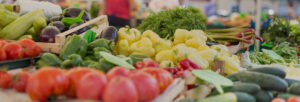
In the early months of the year, citrus like blood oranges, lemons, and grapefruit dominate stands, while spring ushers in a parade of strawberries, artichokes, and leafy greens. Summer is marked by an abundance of tomatoes, peppers, and stone fruits, and in the fall, you’ll find pumpkins and winter squash sharing space with late-season apples from the higher elevations inland. The regular rotation of produce invites continual adaptation in cooking and eating habits, which San Diego’s food scene embraces enthusiastically.
Artisan products such as handmade cheeses, fresh bread from local bakeries, and craft beverages—sometimes from urban farms experimenting with small-scale hops or vegetables—add dimensions to the markets that go beyond traditional produce. This blending of farm goods and creative culinary craft showcases a local commitment to quality and innovation, linking rural producers with urban palates. Farmers markets in this city are less about replication of large supermarket selections and more about celebrating what the San Diego region can uniquely offer each week, making the connection from local farm to urban table a vivid and ongoing story.